Eastern Connecticut Forest Landowners / Wolf Den Land Trust
DO GOOD, FEEL GOOD
- by E. A. Zimmerman
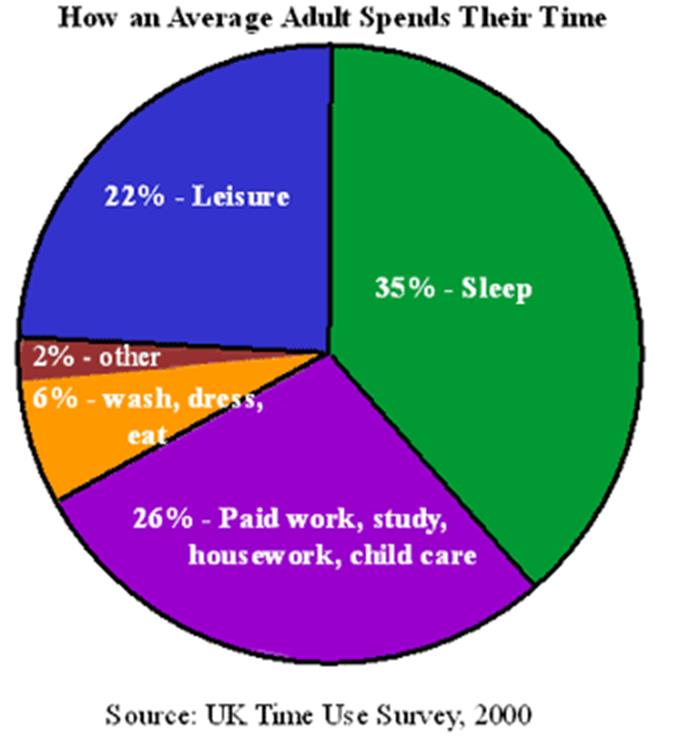 Everyone has 24 hours in their day, with some control over how they spend their time. On average, an adult probably spends more than 3-4 hours a day watching TV or surfing the Internet. It’s nice to unwind, but by volunteering you can use some of that spare time to benefit yourself, the community, and the environment. Here are some of the reasons why people volunteer.
Grow. Volunteering is an opportunity to learn a new skill or apply a rusting one. You can gain knowledge and training, challenge yourself, check out career options, and beef up a resume. Volunteering can also be an excuse to do what you love. You can tap into a passion that your job doesn’t draw on.
Socialize. Volunteering offers opportunities to meet new people that you might not otherwise come into contact with. You can make new friends, and be part of a team. It offers connections for people who may be isolated because they are new to town, work from home, or have become empty nesters, divorced or widowed. It can help develop mutually beneficial networks.
It’s good for you. Edward Brown, author of The Healing Power of Service, says “People who do volunteer work are much less likely to suffer illness.” A number of studies have shown that volunteer work can reduce heart rates and blood pressure, combat insomnia, enhance immune systems, and lessen depression. People who engage in regular volunteer work actually tend to live longer.
It makes you feel good. This positive impact on health may be associated with the social support network and sense of well-being and accomplishment associated with volunteering. Volunteers often experience increased self-confidence and self-esteem. Getting out of the house and your head while helping others also buffers stress and enables you to forget your own troubles for a while. It can also be fun to do something like assessing water quality by spending an afternoon by a stream, scooping up and counting the different kinds of creatures that live there.
Scientists have also found that when volunteers place the interests of others before their own, it activates a part of the brain that usually lights up in response to food or sex. The experiment suggests that altruism is not a superior moral faculty, but rather the brain is hard-wired for the pleasure generosity brings. Give back to the community. Maybe you can’t afford to donate large sums of money, but your time is just as valuable. Most groups are desperate for help. By giving your time and skills, non-profit organizations can invest their limited funds directly into achieving their mission. You can also be an agent of change.
Some tips:
- Consider attending a routine meeting before deciding to join up, to get a sense of the groups’ goals, priorities, and members.
- Some roles have more flexible schedules than others. You can always start small by pitching in on a short term project.
- Don’t spread yourself too thin – even though it may inconvenience others when you need to say no, you will avoid being stressed out and not being able to deliver.
- Don’t bother volunteering for an organization that doesn’t appreciate your contribution – there are plenty of others that will. (I only take abuse from people who pay me, and even then I have limits.) One of the nice things about volunteering is that it’s by choice.
There are volunteer opportunities for people of all ages and backgrounds. As they say, anyone who thinks they are too small to make a difference has never spent the night in bed with a mosquito. You can stuff envelopes; help maintain a trail; work on a research project, newsletter or fundraiser; or become a board member. Options related to environmental protection or nature include working with a local conservation commission, open space organization, land trust, wildlife management organization, or public park. Most openings do not require any technical ability – just interest and a willingness to learn and contribute.

All rights reserved. ©2019 Chimalis LLC
If you have comments about this website, including broken links,
please contact the webmaster